
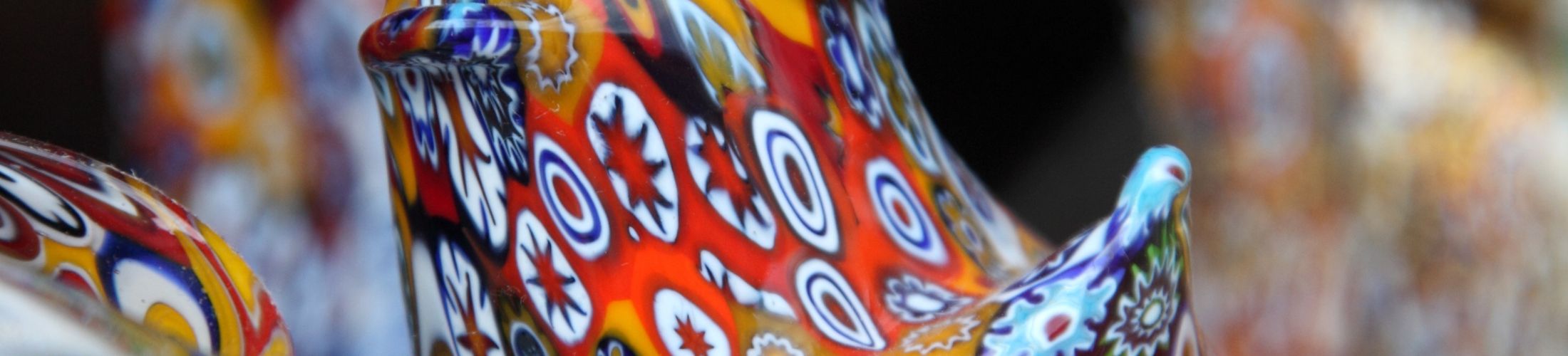
Murano glassware, a symbol of Venetian craftsmanship, is renowned for its exquisite beauty and intricate designs. Originating from Murano, an island in the Venetian Lagoon of Italy, this glassware has been a coveted art form for centuries. Each piece is meticulously handcrafted by skilled artisans using techniques passed down through generations, ensuring that no two items are exactly alike. The vibrant colors and unique shapes of Murano glass are achieved through a complex process involving the fusion of various minerals and metals at high temperatures. This results in stunning creations ranging from elegant vases and chandeliers to delicate figurines and jewelry. As you explore Murano glassware, you’ll find that its allure lies not only in its aesthetic appeal but also in the rich history and tradition it embodies.
What is Murano Glassware?
Murano glassware, hailing from the Venetian island of Murano, is a renowned art form known for its exquisite craftsmanship and unique aesthetic appeal. This type of glass is created using traditional techniques that have been passed down through generations of skilled artisans. Each piece is meticulously handcrafted, often incorporating intricate patterns, vibrant colors, and distinctive shapes that set it apart from other types of glass. The art of making Murano glass involves various specialized methods such as millefiori (thousand flowers), sommerso (submerged), and filigrana (filigree), among others. These techniques contribute to the diverse range of designs and styles that make Murano glassware highly prized by collectors and enthusiasts worldwide.
The History of Murano Glass
The history of Murano glass dates back to the 8th century when glassmaking was first introduced to Venice. However, it was in 1291 that the Venetian government ordered all glassmakers to move their foundries to the island of Murano to prevent fires in the wooden structures of Venice and to protect the secrets of glassmaking. This relocation marked the beginning of Murano’s reputation as the epicenter of high-quality glass production. Over centuries, Murano artisans have perfected techniques such as millefiori, which involves creating intricate patterns from multiple layers of colored glass, and caneworking, where rods of colored glass are twisted into beautiful designs. The Renaissance period saw a flourishing of innovation as new methods like enamel painting and aventurine—glass flecked with sparkling copper—were developed. During this time, Murano Italian glass became highly sought after by European royalty and aristocracy, solidifying its status as a luxurious art form. Despite challenges such as industrialization and competition from other regions, Murano’s glassmakers have preserved their heritage through continuous adaptation and modernization while maintaining traditional craftsmanship. Today, Murano glassware remains synonymous with exquisite Venetian artistry and continues to be celebrated worldwide for its beauty and unique features.
Unique Features of Murano Glassware
Murano glassware is celebrated for its exceptional craftsmanship and distinct characteristics that set it apart from other types of glass. Originating from the island of Murano in Venice, Italy, this glass is renowned for its vibrant colors and intricate designs. One of the unique features of Murano glass is the use of various minerals and precious metals during the glassmaking process. These materials are carefully mixed with silica to create a wide range of hues and effects, including bold colors, subtle shades, and metallic sheens. This meticulous blending results in pieces that are visually striking and often iridescent. Another hallmark of Murano glassware is the traditional techniques that have been passed down through generations of master glassmakers. Techniques such as Millefiori (a thousand flowers), where rods of colored glass are fused together to create floral patterns, and Latticino, which involves weaving intricate lattices within the glass, showcase the high level of skill involved in creating each piece. These methods ensure that no two items are exactly alike, giving each piece a unique identity. Additionally, Murano glass often features elaborate shapes and forms that can range from delicate figurines to grand chandeliers. The versatility in design allows artists to produce both functional items like vases and decorative art pieces that serve as conversation starters. The incorporation of modern elements with traditional methods also ensures that Murano glass remains relevant in contemporary design while preserving its rich heritage. Lastly, authenticity is a key feature of genuine Murano glassware. Authentic pieces are typically accompanied by certificates of authenticity or bear signatures from renowned artisans or studios, ensuring their provenance and value. This combination of historical significance, artistic innovation, and guaranteed authenticity makes Murano glassware highly sought after by collectors and art enthusiasts around the world.
How to Identify Authentic Murano Glassware
Identifying authentic Murano glassware requires a keen eye and a bit of knowledge about this unique Venetian art form. One of the most reliable indicators is the presence of the official trademark or signature. Genuine Murano glass often features an etched or stamped mark from the artist or furnace, and sometimes, a certificate of authenticity accompanies the piece. Look for labels that say “Vetro Artistico Murano,” which is the official seal granted by the Veneto Region to authenticate genuine Murano glass products. Another key feature is the quality of craftsmanship. Authentic Murano glass is meticulously handcrafted, resulting in intricate designs and impeccable finishes that are hard to replicate. The colors should be vibrant yet nuanced, as artisans use specific techniques to achieve these shades. For example, millefiori (a thousand flowers) and sommerso (submerged) are classic techniques that produce distinctive patterns and layers in the glass. Pay attention to the weight of the piece as well. Genuine Murano glass items tend to be heavier due to their high-quality materials and craftsmanship. If a piece feels unusually light or flimsy, it might be a counterfeit. Additionally, consider purchasing from reputable dealers or directly from studios in Murano, Italy. This not only ensures authenticity but also supports local artisans who continue this centuries-old tradition. Lastly, be wary of prices that seem too good to be true. Authentic Murano glassware carries a certain cost due to its artisanal nature and high-quality materials. While deals can be found, extraordinarily low prices often indicate imitation products. By paying attention to these details—trademarks, craftsmanship, weight, reputable sources, and price—you can more confidently identify authentic Murano glassware and appreciate its timeless beauty.
By paying attention to these details—trademarks, craftsmanship, weight, reputable sources, and price—you can confidently identify authentic Murano glassware and appreciate its timeless beauty.
We invite you to explore Murano, Italy, and immerse yourself in the rich tradition of Venetian glassmaking. Admire and purchase the stunning glass creations of Murano, utilizing the services of Italy Concierge, one of the most esteemed luxury concierge services in the peninsula. Through Italia Concierge, you can experience the finest that Murano has to offer, ensuring a truly memorable and authentic journey into the world of exquisite Murano glass.