
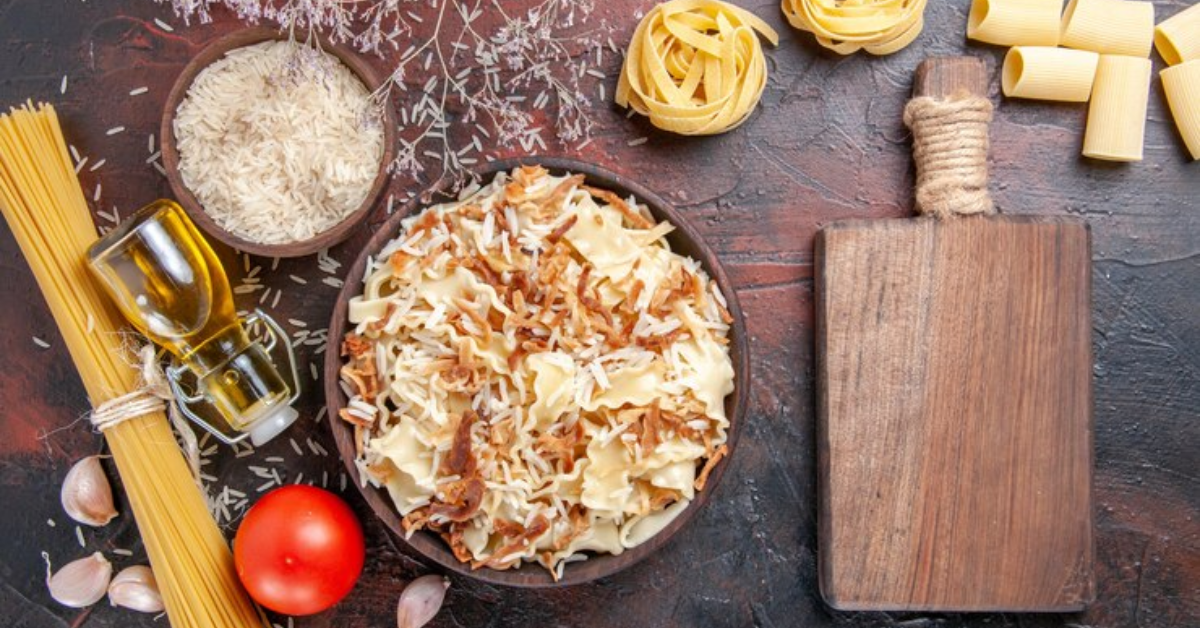
Italy, a country celebrated for its art, history, and culture, is equally renowned for its food. Italian cuisine has evolved significantly over centuries, adapting to changing societal norms, foreign influences, and technological advancements. This evolution has resulted in a culinary tradition that is deeply rooted in history and yet versatile enough to captivate global palates. Let’s take a journey through the fascinating timeline of Italian food culture and explore how it became what it is today!
Ancient Foundations: The Birth of Italian Food Culture
Italian cuisine has origins that date back to the ancient civilizations. It was heavily influenced by the cultures of neighboring regions, including the Greeks, Etruscans, and Romans. In the 4th century BC, Archestratus, a Greek Sicilian writer, penned texts that emphasized the importance of high-quality, seasonal ingredients and simple preparation methods. This philosophy laid the foundation for Italian food culture, which still prioritizes freshness and simplicity.
During the Roman Empire, culinary practices became more sophisticated. The 1st-century cookbook De re coquinaria by Apicius is a testament to the variety and complexity of Roman cuisine. It featured recipes that incorporated herbs, spices, and exotic ingredients sourced from across the empire. Foods like olives, figs, and grapes were staples, while new ingredients such as cherries and apricots were introduced from conquered territories. These influences were the main reason for shaping early Italian regional dishes.
The Middle Ages: Regional Diversity Emerges
Following the fall of the Roman Empire, Italy’s political fragmentation led to the development of distinct regional culinary traditions. This period marked the beginning of Italian regional dishes that continue to define the country’s food identity today. Each region developed its own specialties based on local ingredients and cultural influences.
- The fertile plains of Milan in Northern Italy inspired dishes like risotto, polenta, and osso buco. The introduction of rice by the Arabs played a crucial role in the development of risotto.
- Known as the culinary heart of Italy, Bologna in Central Italy gave us tortellini, lasagna, and mortadella.
- The coastal areas of Naples in the South became famous for pizzas, seafood, and dishes infused with Mediterranean flavors. Tomatoes, introduced later from the Americas, would eventually revolutionize southern Italian cuisine.
This era also saw the rise of monasteries as centers of culinary innovation, where recipes were meticulously recorded and refined. Italian food culture during this period was characterized by a reliance on local produce and a growing emphasis on community and tradition.
The Renaissance: A Culinary Revolution
The Renaissance, a period of cultural and artistic rebirth, brought profound changes to Italian cuisine. As Italy flourished, so did its culinary arts. Wealthy families like the Medicis became patrons of food innovation, encouraging chefs to create elaborate dishes that reflected their status.
During this time, the use of spices such as cinnamon, cloves, and nutmeg became widespread, reflecting Italy’s role in the spice trade. The Renaissance also saw the introduction of sugar, which led to the creation of desserts like torrone and marzipan. Dishes became more visually appealing as chefs sought to combine flavor with presentation.
The discovery of the Americas had a transformative impact on Italian food. Ingredients such as tomatoes, potatoes, maize, and cocoa were introduced, forever altering the Italian cuisine timeline. Initially met with skepticism, tomatoes eventually became a staple ingredient in dishes like pasta sauces and pizzas.
The 19th Century: Unifying Italian Cuisine
The 19th century was a pivotal time in the history of Italian food culture. Despite Italy’s political fragmentation, efforts were made to unify the country’s culinary identity. Writers like Pellegrino Artusi, author of La Scienza in Cucina e l’Arte di Mangiar Bene (The Science of Cooking and the Art of Eating Well), played a key role in this endeavor. Artusi’s cookbook documented recipes from various regions, emphasizing the diversity and richness of Italian regional dishes.
This period also marked the industrialization of food production. Pasta, once made by hand, began to be produced on a larger scale, making it more accessible. The popularity of Italian cuisine grew, with dishes like spaghetti, lasagna, and minestrone becoming household staples.
Immigration played a significant role in spreading Italian cuisine beyond its borders. Italian immigrants brought their recipes to countries like the United States, where adaptations like spaghetti and meatballs emerged. These dishes, while not traditionally Italian, showcased the adaptability of Italian food culture.
Modern Italian Cuisine: A Global Phenomenon
Italian cuisine is now celebrated across the globe for its simplicity, authenticity, and emphasis on fresh ingredients. The modern Italian cuisine timeline reflects a balance between tradition and innovation, with chefs blending classic recipes with contemporary techniques.
- Many regions still adhere to age-old recipes and cooking methods. For example, Parma’s Parmigiano-Reggiano and Modena’s balsamic vinegar are protected by strict production regulations to ensure authenticity.
- Modern chefs experiment with unconventional pairings and techniques, redefining Italian cuisine for a new generation. Molecular gastronomy and fusion cuisine have found their place alongside traditional Italian dishes.
- The focus on sustainable, locally sourced ingredients has reinforced Italy’s reputation for culinary excellence. Farmers’ markets and artisanal products continue to thrive, reflecting the core values of Italian food culture.
The Role of Italian Regional Dishes in Modern Cuisine
One of the most remarkable aspects of Italian cuisine is its regional diversity. Even in a globalized world, Italian regional dishes maintain their distinct identities, offering a rich tapestry of flavors and traditions.
- From creamy risottos to hearty polenta dishes, northern Italian cuisine reflects its alpine and Po Valley influences.
- Tuscany’s rustic simplicity and Umbria’s truffle-laden delicacies in Central Italy highlight the importance of seasonal ingredients.
- The sunny south of Italy is celebrated for its vibrant flavors, with dishes like eggplant parmigiana and spaghetti alle vongole showcasing the bounty of the Mediterranean.
The Impact of Italian Cuisine On Global Food Culture
The evolution of Italian cuisine over the centuries has had a profound impact on global culinary traditions. Italian food is now synonymous with comfort, quality, and conviviality. From Neapolitan pizza to Milanese risotto, Italian dishes have become a universal language of flavor.
Moreover, the export of Italian ingredients such as olive oil, pasta, and wine has further solidified Italy’s culinary influence. Italian cooking techniques have now become staples in home kitchens worldwide. These techniques include making fresh pasta from scratch or slow-cooking sauces for the perfect consistency and burst of flavor.
Bottom Line
The journey of Italian cuisine through history is a testament to its resilience, adaptability, and enduring appeal. From its ancient roots to its modern interpretations, Italian food culture continues to inspire and delight. The rich tapestry of Italian regional dishes and the dynamic Italian cuisine timeline remind us that food is not just sustenance; it’s a celebration of life, heritage, and creativity.
As we savor a bowl of pasta or a slice of pizza, we are partaking in a culinary tradition that has been shaped by centuries of innovation, exploration, and passion. Truly, Italian cuisine is a timeless art form cherished by generations and loved by the world.
If you are planning a trip to Italy and need Luxury Concierge Services in Italy, Italia Concierge is the best option. Get in touch with our team today to enjoy unforgettable moments in Italy that you will cherish forever!