La Scala, Italy’s premier opera house, stands as a beacon of artistic excellence and a cornerstone of cultural heritage within the global classical music and opera scene. Nestled in the heart of Milan, La Scala has, since its inauguration in 1778, not only showcased the crème de la crème of operatic talent but also served as a pivotal platform for ballet and orchestral performances. Its storied past is a tapestry woven with premieres of some of the most monumental works in opera history, including those by Verdi, Puccini, and Rossini. Beyond its historical significance, La Scala’s architectural grandeur—encompassing the intricate design work of Giuseppe Piermarini and subsequent renovations—mirrors its commitment to maintaining an aura of elegance and sophistication. For those seeking an elevated experience in Milan, exclusive concierge offerings at La Scala highlight the opulence of the city. Meanwhile, personalized cultural explorations enhance the understanding of its artistic landscape. The opera house’s global influence extends beyond its stage, contributing significantly to the development and appreciation of classical music worldwide through tours, broadcasts, and educational initiatives. As visitors step into La Scala, they are not merely entering a venue; they are embarking on a journey through a musical heritage that continues to resonate with audiences around the globe. The legacy of La Scala, enriched by its iconic performances and cultural programs, remains an enduring testament to the transformative power of performing arts.
The History of La Scala: From Its Foundations to Present Day
La Scala, or Teatro alla Scala, situated in the heart of Milan, Italy, stands as a testament to the enduring allure of opera and classical music. Founded in 1778, under the auspices of Empress Maria Theresa of Austria, this iconic theatre has witnessed the evolution of not only Italian but also global musical heritage. Initially constructed to replace the Royal Ducal Theatre, which was destroyed by fire, La Scala quickly rose to prominence, becoming the premiere venue for opera in Italy. Over the centuries, it has premiered works by some of the world’s most renowned composers, including Giuseppe Verdi and Giacomo Puccini, solidifying its position as a crucible of creativity and innovation in the arts.
Throughout its history, La Scala has not been immune to challenges. It has seen renovations and restorations, particularly after World War II when parts of the theatre were damaged. Yet, each time it has emerged more resilient, blending its rich historical legacy with modern advancements in stage technology and audience comfort. Today, La Scala continues to enchant visitors from across the globe with its breathtaking performances, while also serving as a cultural beacon through its educational initiatives and preservation of musical history. As it moves forward into the future, La Scala remains a pillar of artistic excellence, celebrating its past while embracing new generations of performers and audiences alike.
Behind the Curtains: The Architecture and Renovations of La Scala
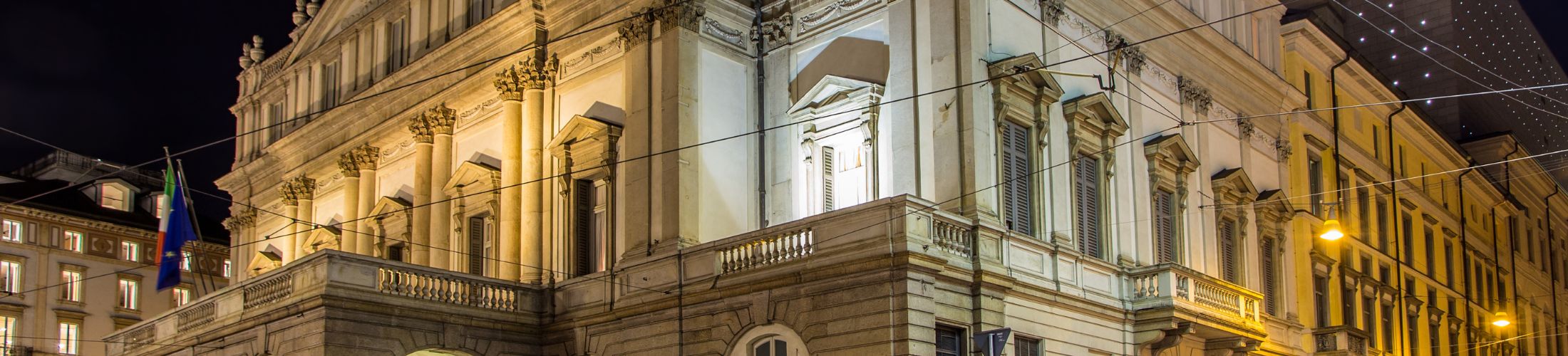
La Scala, Italy’s temple of opera, has stood as a beacon of artistic excellence since its inauguration in 1778. Nestled in the heart of Milan, its architecture is a testament to the neoclassical style that was prevalent during its construction era. Originally designed by architect Giuseppe Piermarini, La Scala’s façade presents a restrained elegance that belies the opulence within. Over the centuries, La Scala has undergone numerous renovations to preserve its heritage while integrating modern advancements to enhance the audience’s experience. The most significant recent renovation took place in 2004, led by architect Mario Botta. This ambitious project sought not only to restore the historic features of the theatre but also to expand its facilities with the addition of modern backstage technology, improved acoustics, and increased seating capacity. These enhancements have solidified La Scala’s status as a world-class venue that respects its historical roots while looking towards the future. Inside, the auditorium’s horseshoe shape, adorned with gold leaf, red velvet, and crystal chandeliers, creates an intimate atmosphere that allows for an unparalleled acoustic experience. Every element of La Scala’s design and renovations contributes to its mission: to offer sublime moments of musical and theatrical artistry.
La Scala’s Global Influence on Opera and Classical Music
La Scala, officially known as Teatro alla Scala, has long stood as a beacon of the fine arts, significantly contributing to the global landscape of opera and classical music. This legendary opera house, nestled in the heart of Milan, Italy, has not only been a platform for premiering works of famed composers like Giuseppe Verdi and Gioachino Rossini but has also played a pivotal role in shaping the careers of countless renowned artists and performers. Its influence extends beyond its historic stage, impacting the evolution of opera and classical music through its commitment to high-quality productions, exceptional acoustics, and innovative staging. La Scala’s educational initiatives, including its academy for young musicians, dancers, and technical staff, underscore its dedication to nurturing future generations of talent. Moreover, its international collaborations and tours have helped disseminate Italian opera culture worldwide, making it an indispensable player in the global arts scene. Through its illustrious history and ongoing contributions to the arts, La Scala continues to uphold its legacy as a cornerstone of cultural excellence, influencing both the creation and appreciation of opera and classical music on a global scale.
Noteworthy Performances and Pivotal Moments at La Scala
Over the centuries, La Scala has been the stage for some of the most significant performances and pivotal moments in the realm of opera and classical music. Its history is dotted with premieres that have shaped the course of musical history, including Giuseppe Verdi’s “Nabucco,” which propelled Verdi into stardom and became a symbol of Italian nationalism. The opera house has also witnessed the debut of Puccini’s “Madama Butterfly,” a performance met with initial controversy that later ascended to global acclaim. Beyond these premieres, La Scala’s legacy is enriched by performances from some of the most illustrious figures in music. The likes of Maria Callas, whose association with La Scala helped solidify her status as one of the greatest sopranos in history, and conductors such as Arturo Toscanini, whose tenure at La Scala set new standards for orchestral brilliance, have become integral chapters in its story. Moreover, pivotal moments have not only been confined to the stage but have also occurred offstage, including renovations that modernized its facilities while preserving its historical essence, and educational initiatives that have nurtured future generations of talent. Each performance and event at La Scala contributes to its enduring legacy as a beacon of artistic excellence and cultural heritage.
Exploring La Scala’s Educational Initiatives and Cultural Programs
La Scala, an emblem of artistic excellence, extends its influence beyond the stage through comprehensive educational initiatives and cultural programs aimed at fostering a deeper appreciation of opera and classical music among the public. These initiatives serve as a bridge connecting the community to La Scala’s rich musical heritage, ensuring that this art form remains accessible to all. La Scala’s Accademia d’Arte Lirica, for instance, is renowned for nurturing the next generation of opera talent, offering specialized training in vocal performance, conducting, stagecraft, and dance. Furthermore, La Scala’s commitment to education is exemplified by its numerous outreach programs designed to captivate young audiences and educators alike. Through workshops, guided tours, and interactive performances tailored for students, La Scala demystifies the world of opera and invites participants to explore its intricacies firsthand. Additionally, La Scala’s cultural programs often feature discussions, lectures, and exhibitions that delve into the historical context of its repertoire, providing audiences with a richer understanding of each performance. These educational efforts underscore La Scala’s role not just as a venue for entertainment but as a custodian of cultural heritage dedicated to inspiring a lasting passion for the performing arts within the community.
How to Experience La Scala: Tickets, Tours, and Seasonal Highlights
Experiencing La Scala, one of Italy’s most prestigious opera houses, offers a profound journey into the world of classical music and opera. To fully embrace this iconic venue, guests can explore various avenues such as purchasing tickets for performances, which range from operas and ballets to concerts and recitals. Booking in advance is highly recommended due to the high demand for seats at this historic venue. For those interested in the architecture and history of La Scala, guided tours are available, offering an exclusive behind-the-scenes look at the theater, including access to the La Scala Museum which houses a rich collection of art, musical instruments, and costumes. Seasonal highlights include the opening night on December 7th, which coincides with Saint Ambrose’s Day – Milan’s patron saint celebration – and is one of the most anticipated events in the cultural calendar. Additionally, La Scala’s season typically features a carefully curated selection of performances that showcase not only Italian operatic traditions but also international productions, making it a pivotal platform for cultural exchange and artistic excellence. Whether attending a breathtaking performance or exploring the opulent corridors on a guided tour, visitors can immerse themselves in the unmatched atmosphere of La Scala, enjoying an experience that resonates with history, artistry, and grandeur. For an enhanced experience, consider exploring exclusive packages and personalized services offered by Italia Concierge, tailored to make your visit unforgettable.